1. Introduction
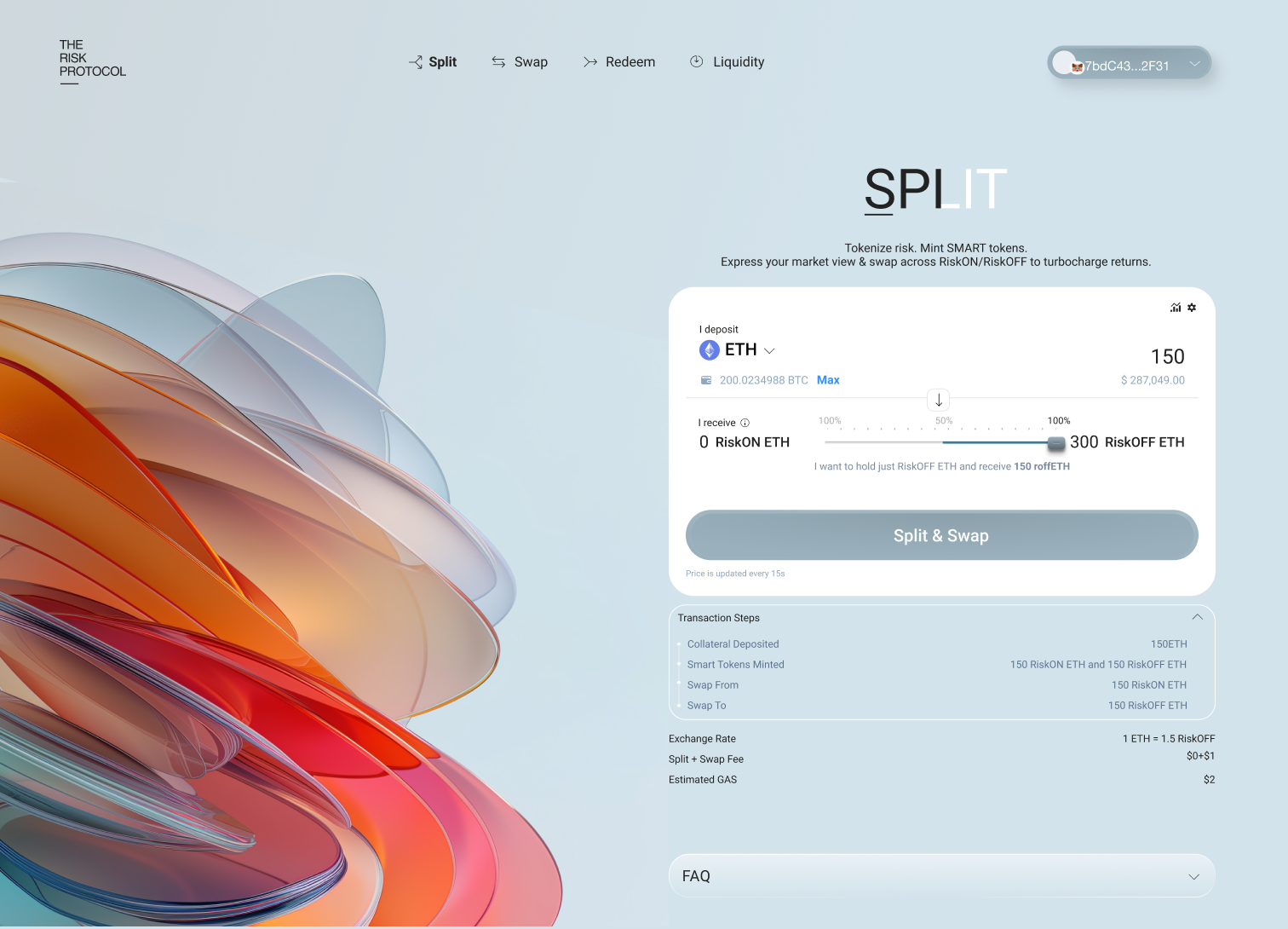
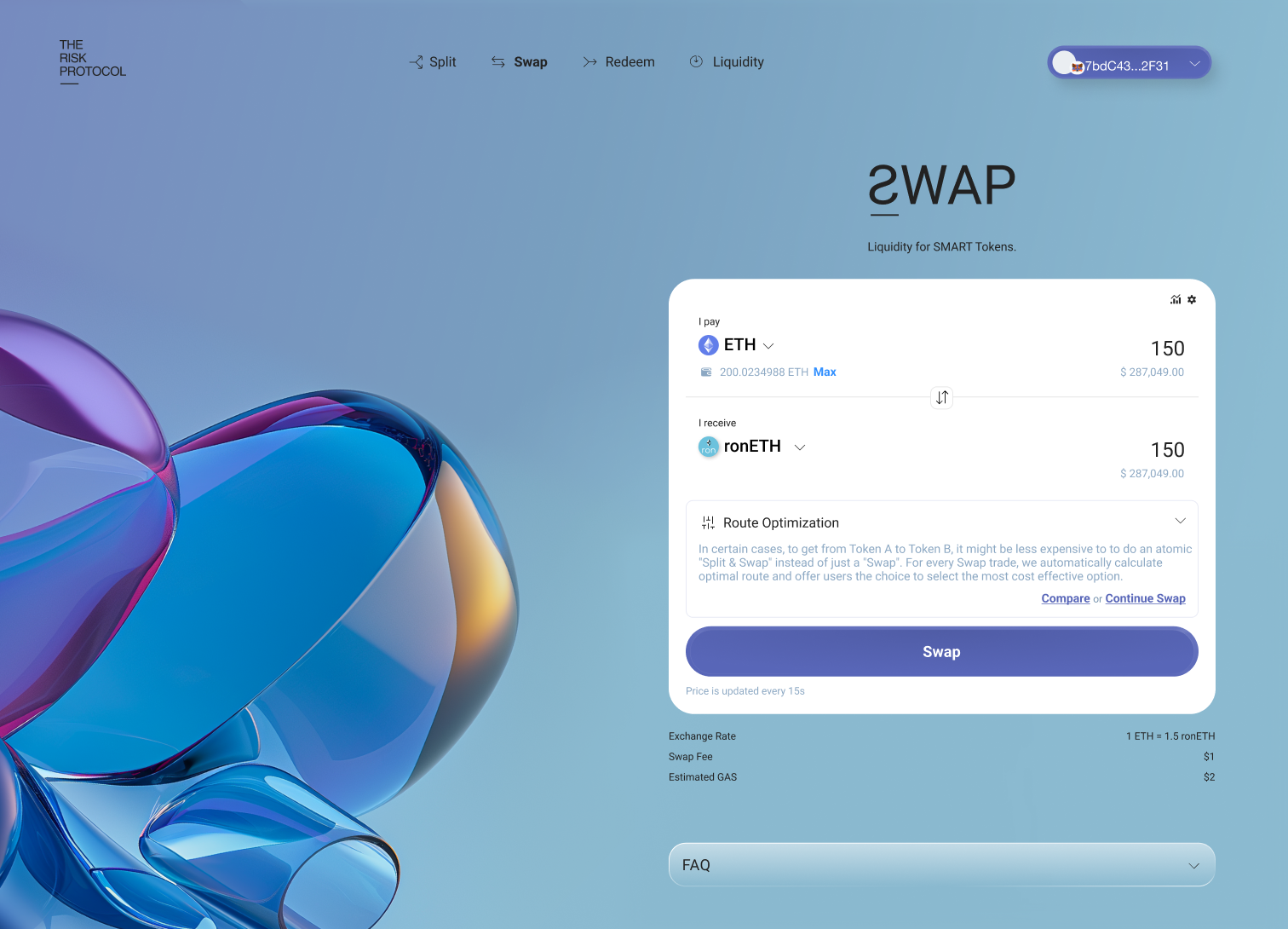
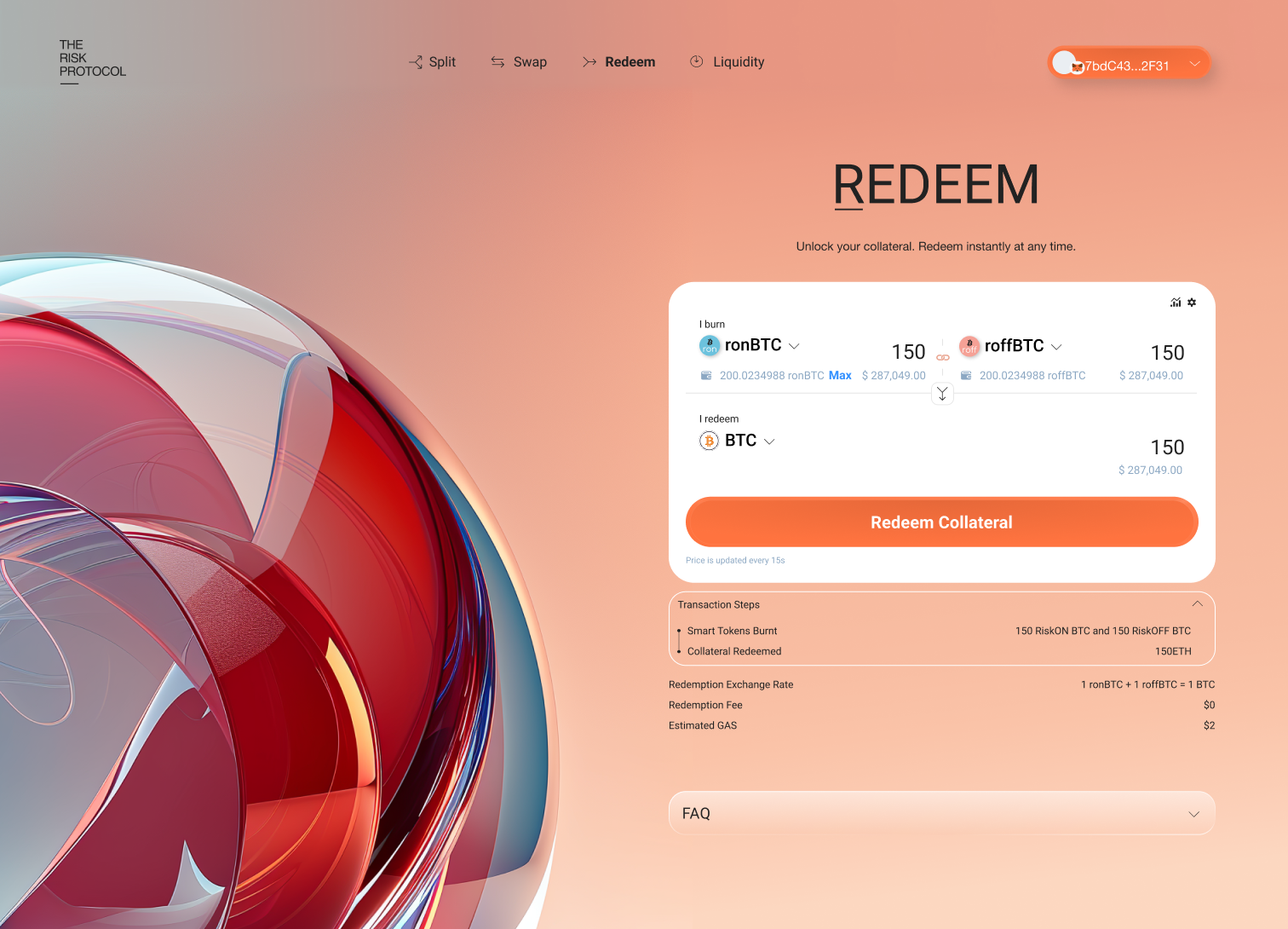
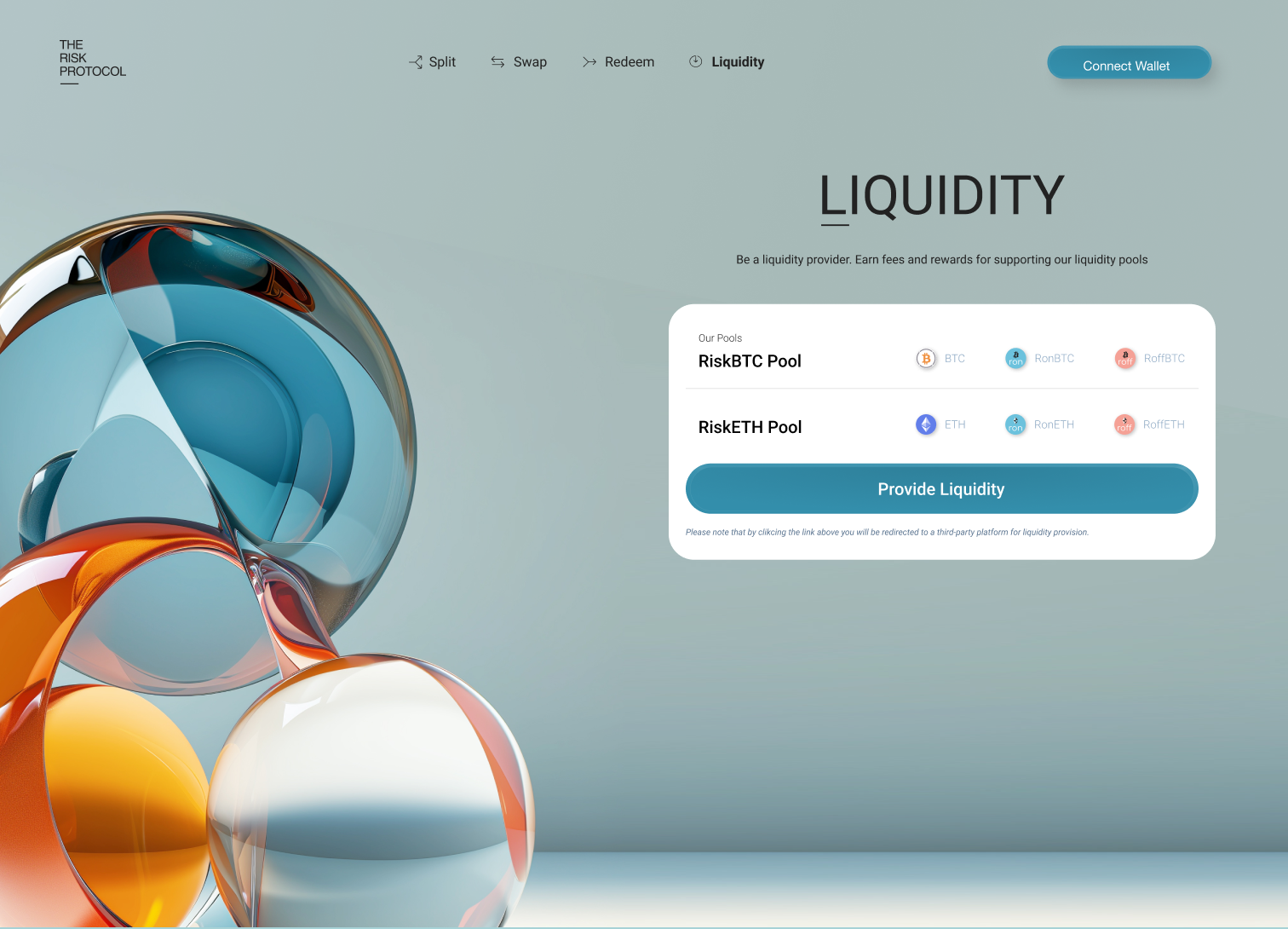
The Risk Protocol is a decentralized platform that tokenizes market volatility, allowing users to hedge or amplify their crypto exposure through "SMART Tokens." As the Lead Product Designer and Manager, I spearheaded the "Zero-to-One" development of the ecosystem. My primary challenge was to translate high-frequency financial derivatives into a consumer-grade interface where users could express "Risk-On" or "Risk-Off" views without the catastrophic risks of margin calls or liquidations.
2. The Problem: The Complexity Barrier in DeFi
While the traditional volatility market exceeds $4 trillion, crypto volatility tools remain gated behind high-friction perpetual platforms and complex options chains. Most DeFi users struggle with the steep learning curve of margin requirements and the constant threat of liquidation. Our business objective was to capture a slice of the $250 billion crypto volatility market by stripping away the jargon and providing a "one-click" tokenization experience. We needed to build a platform that felt as intuitive as a spot swap but offered the strategic power of a professional trading desk.
3. Research & Strategic Insights
Through qualitative interviews with active DeFi traders, we identified a pervasive "Anxiety Gap": users wanted market exposure but feared the technical complexity of traditional "Risk-On" instruments. Our research revealed that users were 40% more likely to engage with a product if the potential outcomes were visualized rather than listed in a table. By benchmarking against traditional VIX (Volatility Index) products, I identified that the primary user need wasn't more data—it was better synthesis of data. This led to our core design pillar: "Sophistication through Simplicity."
4. Design Strategy: Abstracting the Protocol
The design strategy focused on reducing the cognitive load of blockchain interactions. I moved away from the cluttered "Bloomberg Terminal" aesthetic common in DeFi and toward a high-fidelity, minimalist UI.
The Binary Strategy: To prevent choice paralysis, I limited the initial launch to a binary choice: RiskON (Amplify) or RiskOFF (Protect) for BTC and ETH.
Geospatial & Visual Feedback: I designed real-time performance visualizations that allowed users to see the "Delta" of their SMART Tokens instantly.
Eliminating Liquidation UX: A major UX win was the "Non-Liquidatable" architecture. I emphasized this in the UI through "Safety Indicators," reassuring users that their positions would remain intact regardless of market swings, a massive differentiator from competitors like GMX or dYdX.